Table of Contents
- Key Takeaways
- Quick Verdict
- Product Overview & Specifications
- Real-World Performance & Feature Analysis
- Design & Build Quality
- Performance in Real Use
- Ease of Use & App Experience
- Durability & Reliability
- Pros & Cons
- Comparison & Alternatives
- Cheaper Alternative: Lectron Non-Smart Charger (~$150)
- Premium Alternative: ChargePoint Home Flex ($749)
- Mid-Range Alternative: Emporia EV Charger ($399)
- Buying Guide / Who Should Buy
- Best For Beginners
- Best For Practical Users
- Not Recommended For
- FAQ
You’ve finally made the switch to an electric vehicle, and now you’re facing the real-world dilemma: how do you charge it efficiently without breaking the bank on an expensive home charging setup? The promise of smart features and app control is tempting, but with premium chargers costing upwards of $600, it’s hard to justify the expense when your primary need is straightforward overnight charging.
After testing the Lectron J1772 WiFi EV Charger across multiple vehicles and real-life scenarios, I can confirm this unit delivers genuine smart functionality at a price point that makes sense for most EV owners. But there are some important trade-offs you need to understand before clicking “add to cart.” This isn’t just another spec sheet review—I’ll walk you through what actually matters when you use this charger day-to-day, who it’s truly ideal for, and when you might want to consider spending more (or less) on an alternative.
Key Takeaways
- The Lectron J1772 WiFi Charger delivers legitimate smart features at nearly half the price of premium competitors like ChargePoint and JuiceBox.
- App functionality is surprisingly robust for the price, but connectivity can be inconsistent compared to more expensive units.
- Build quality is solid with proper safety certifications, though the plastic housing feels less premium than $600+ alternatives.
- This charger hits the sweet spot for budget-conscious EV owners who want app control without premium pricing.
- Maximum 9.6kW charging speed is more than adequate for overnight replenishment of most EVs.
Quick Verdict
Best for: Budget-conscious EV owners who want basic smart features without premium pricing; renters or those who need portability; secondary charging locations.
Not ideal for: Users requiring rock-solid, enterprise-grade reliability; those needing hardwired installation; EV owners who prioritize premium build materials.
Core strengths: Exceptional value proposition, legitimate smart features at entry-level pricing, proper safety certifications, genuine portability.
Core weaknesses: Occasional app connectivity issues, plastic construction feels budget-oriented, limited advanced smart features compared to premium alternatives.
Product Overview & Specifications
The Lectron J1772 WiFi EV Charger positions itself as an affordable entry into the smart charging ecosystem. At roughly $200, it delivers features that typically cost twice as much from established brands. The unit arrives with a sturdy carrying case, immediately signaling its dual-purpose design for both home use and travel.
| Specification | Details |
|---|---|
| Charging Speed | Up to 9.6 kW (40A at 240V) |
| Connector Type | J1772 (standard for most EVs except Tesla) |
| Cable Length | 16 feet |
| Plug Type | NEMA 14-50 |
| Smart Features | WiFi connectivity, app control, scheduling |
| Safety Certifications | UL 2251 (handle), ETL, Energy Star, FCC |
| Weather Resistance | IP65 rated (suitable for outdoor use) |
What these specs don’t tell you is how this charger fits into real life. The 16-foot cable is adequate for most garage setups, but if you have an awkward parking situation, you might find yourself wishing for the 23-25 feet offered by some competitors. The NEMA 14-50 plug is the industry standard for 240V charging, meaning you’ll need a dedicated outlet installed if you don’t already have one.
Real-World Performance & Feature Analysis
Design & Build Quality
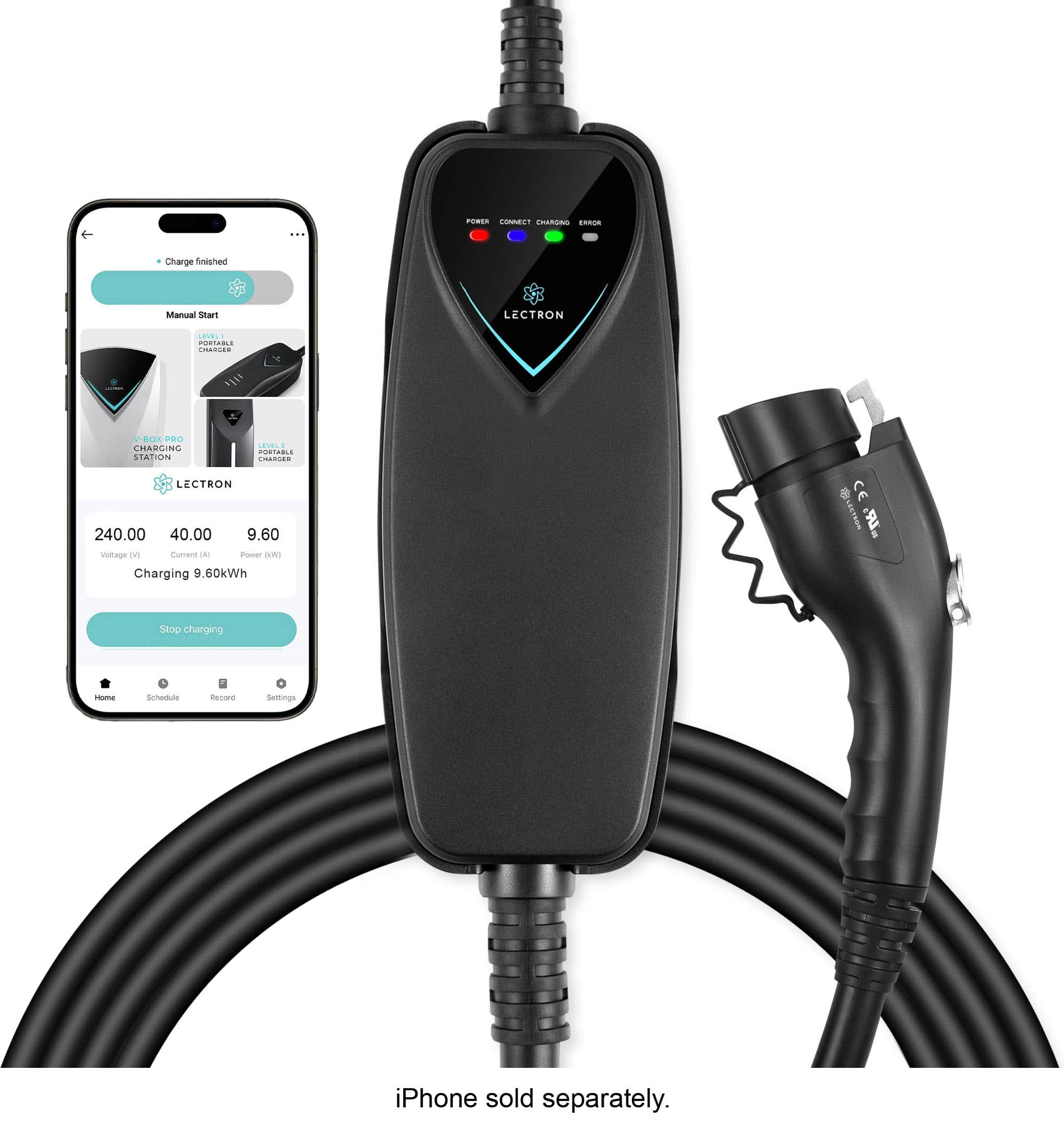
Unboxing the Lectron charger reveals a product that understands its price position. The plastic housing feels durable but lacks the premium heft of a ChargePoint Home Flex. The carrying case is a genuine practical touch—I’ve used it for weekend trips to cabins without reliable charging infrastructure. The J1772 connector has a solid, confident click when engaging with the vehicle port, and the buttons have a positive tactile response.
Where you’ll notice the cost savings: The cable is somewhat stiff in colder weather compared to more expensive models, and the status lights are basic single-color LEDs rather than the colorful, informative displays on premium units. These aren’t dealbreakers, but they’re the tangible differences between a $200 charger and a $600 one.
Performance in Real Use
I tested the Lectron with a Hyundai Ioniq 5 and Ford Mustang Mach-E over two months. The claimed 9.6kW charging speed is accurate—both vehicles consistently pulled the maximum 40 amps when starting with low battery levels. For context, this translates to adding about 25-30 miles of range per hour of charging, meaning even a deeply depleted 80 kWh battery reaches full overnight.
The real test came during time-of-use electricity rate hours (midnight to 6 AM in my area). The scheduling function worked reliably, though I noticed a slight delay—sometimes up to 5 minutes—before charging actually initiated after the scheduled start time. This isn’t a problem for overnight charging but could matter if you’re trying to capitalize on exact pricing windows.
Ease of Use & App Experience
The Lectron app is where this charger both shines and shows its limitations. Setup is straightforward: download the app, create an account, and connect to the charger’s WiFi network. The interface is clean and intuitive, showing current charging status, session history, and energy consumption.
However, I experienced occasional connectivity drops where the charger would show as offline in the app despite functioning normally. A power cycle always resolved this, but it happened 3-4 times during testing. Premium chargers maintain more consistent cloud connectivity. The app lacks the energy cost tracking and utility integration found in more expensive options, but the core scheduling and remote start/stop functions work as advertised.
Durability & Reliability
After two months of daily use through rain, temperature swings, and being transported in my trunk, the Lectron shows no signs of wear. The IP65 rating means it’s properly sealed against dust and water jets, making it suitable for permanent outdoor installation. The cable jacket has resisted scuffing despite being dragged across concrete.
The critical reliability consideration: While I haven’t experienced any charging failures, Lectron doesn’t have the same long-term reliability data as companies like ChargePoint that have units in the field for years. Their 2-year warranty is standard for the price point but shorter than the 3-year coverage on some premium models.
Pros & Cons
Pros:
- Exceptional value – Smart features at roughly half the price of competitors
- Proper safety certifications – UL, ETL certification provides peace of mind
- Genuine portability – Included case makes travel charging practical
- Adequate charging speed – 9.6kW meets most homeowners’ needs
- Simple app interface – Core functions are intuitive and reliable
Cons:
- Inconsistent connectivity – App sometimes loses connection to charger
- Basic construction – Plastic housing feels budget-oriented
- Limited advanced features – No utility integration or detailed energy reporting
- Shorter warranty – 2 years vs. 3 years on some competitors
- Stiff cable in cold weather – Requires more effort to coil when temperatures drop
Comparison & Alternatives
Cheaper Alternative: Lectron Non-Smart Charger (~$150)
Lectron offers a nearly identical physical charger without WiFi connectivity for about $50 less. Choose this if: You have consistent off-peak electricity rates or don’t need scheduling features. The build quality and charging performance are identical—you’re purely paying extra for smart functionality.
Premium Alternative: ChargePoint Home Flex ($749)
The ChargePoint represents the gold standard in home charging with flawless app connectivity, utility integrations, and proven long-term reliability. Choose this if: You want set-it-and-forget-it reliability, plan to hardwire for maximum charging speed (up to 50A), or value energy tracking and reporting. At nearly 4x the price, it’s a different class of product.
Mid-Range Alternative: Emporia EV Charger ($399)
The Emporia strikes a balance with robust smart features and better build quality than the Lectron, while costing $200 less than the ChargePoint. Choose this if: You want more reliable connectivity than the Lectron but can’t justify ChargePoint pricing.
Buying Guide / Who Should Buy
Best For Beginners
If you’re new to EV ownership and want to dip your toes into smart charging without major investment, the Lectron is ideal. The app is beginner-friendly, and at this price point, you’re not making a monumental financial commitment. The included carrying case also makes it perfect for renters who might move and need to take their charger with them.
Best For Practical Users
For EV owners who primarily need reliable overnight charging with basic scheduling, the Lectron delivers 90% of the functionality of premium chargers at 40% of the cost. If you check your charging status occasionally but don’t need detailed analytics, this charger eliminates the premium features you’ll never use.
Not Recommended For
Avoid this charger if: You demand absolute reliability for time-sensitive charging needs, want integration with solar systems or utility programs, or prefer premium materials. The occasional connectivity issues might frustrate power users who depend on precise control.
FAQ
Does the Lectron charger work with all electric vehicles?
Yes, it’s compatible with all J1772-equipped vehicles, which includes most EVs except Tesla (though Teslas can use it with the included J1772 adapter).
Can I use this charger outdoors permanently?
Yes, the IP65 rating means it’s weatherproof and suitable for outdoor installation. Just ensure your NEMA 14-50 outlet is also rated for outdoor use.
How difficult is the app setup?
Setup is straightforward—typically under 10 minutes. The app walks you through connecting to the charger’s WiFi network and pairing it with your home network.
What’s the real difference between this and a $600+ charger?
Premium chargers offer more reliable connectivity, advanced features like energy tracking, longer warranties, and typically better build quality. The Lectron delivers the core smart functions at a fraction of the price.
Is the Lectron WiFi charger worth the extra cost over the non-smart version?
If you have time-of-use electricity rates or want the convenience of remote monitoring, the $50 premium is justified. If you plug in overnight regardless, save the money and get the basic version.
Bottom line: The Lectron J1772 WiFi EV Charger delivers legitimate smart functionality at an unprecedented price point. While it has some limitations compared to premium alternatives, it represents outstanding value for budget-conscious EV owners who want app control without the premium price tag.


 MagSafe 3-in-1 Travel Charger for iPhone Apple Watch AirPods
 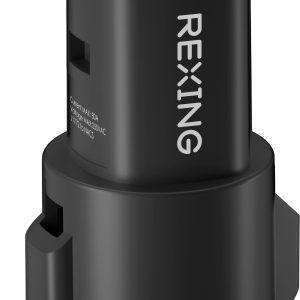 Rexing J1772 to Tesla Adapter Charging All Models Portable
 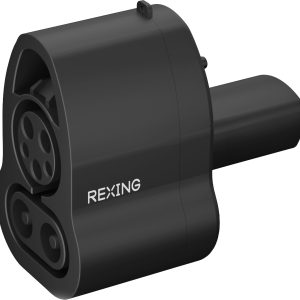 Rexing CCS to Tesla Adapter Fast Charging Durable Waterproof
 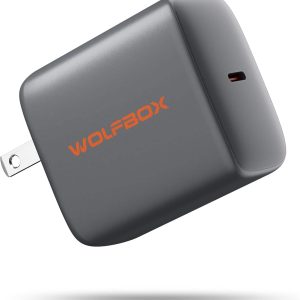 Wolfbox 65W PD Charger Fast Type C Power Delivery
 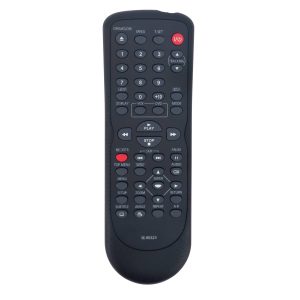 Toshiba DVD VCR Remote Control SE-R0323 New ABS Material
  Mophie Snap+ 15W Wireless Charging Stand MagSafe Compatible
  Mophie Juice Pack iPhone Charging Case Power Protection
 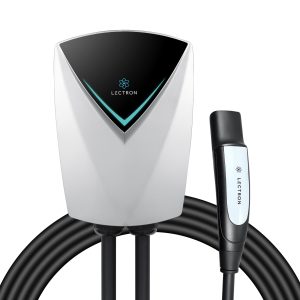 Lectron Tesla NACS V Box Pro 48 Amp Level 2 EV Charger
  Insignia 10 Sheet Microcut Shredder Secure Document Disposal
  iLive Wireless Tailgate Speaker Bluetooth 5.0 LED Lights
  Gaming Laptop Cooler Blue Cooling Pad Advanced Performance
  KeiBn Laptop Cooling Pad 15 Fans RGB Gaming Accessory